Try out WriteStories free for 7 days!


.svg)
Back to blog
Blog
Unlocking Creativity for Children with Auditory Processing Disorder (APD)
Category
General
Date
November 12, 2025
Reading time
1 min read
Author

Bob Wood
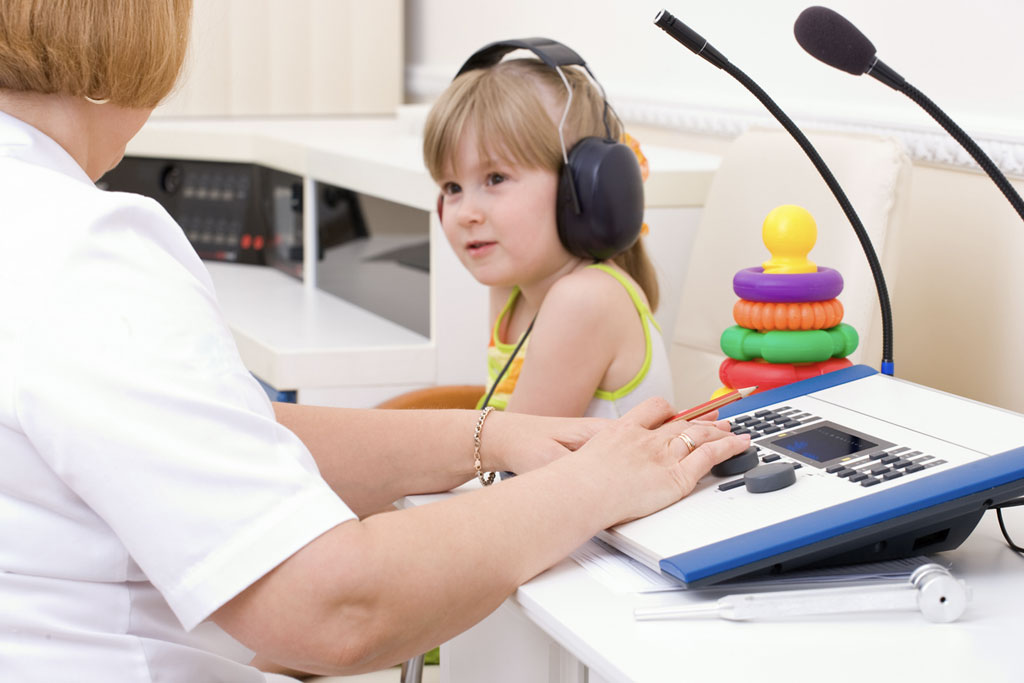
For children with Auditory Processing Disorder (APD), classroom learning can feel like listening to a radio station with constant static. They hear words, but decoding and organizing them into meaning takes extra effort. Traditional writing instruction—where directions, stories, and feedback often come verbally—can create barriers rather than breakthroughs.
This is where WriteStories offers a refreshing new path. By shifting the foundation of writing from spoken to visual language, the platform removes one of the biggest challenges for children with APD. Instead of listening to prompts or trying to recall auditory details, children engage directly with rich, sequential illustrations. Each image provides context and inspiration, allowing them to build meaning through what they see—not just what they hear.
This approach is grounded in research on dual coding theory (Paivio, 1986), which shows that combining visual and verbal elements strengthens comprehension and retention. For children who struggle with auditory input, the visual-first design of WriteStories offers not only accessibility, but also empowerment. They can explore ideas at their own pace, building confidence as they create stories that reflect their imagination.
Teachers and parents can use WriteStories to support language processing through visual cues—encouraging kids to describe what’s happening in a picture, use sensory details, or imagine dialogue. Because WriteStories allows students to pause, review, and self-edit without pressure, it also supports executive function and emotional regulation—key areas often challenged in children with APD.
In a world where literacy often depends on listening, WriteStories gives children with APD the chance to see their way into storytelling—and succeed on their own terms.


Other articles